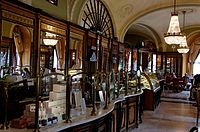
Coffee arrived in Hungary during the Ottoman occupation of the sixteenth and seventeenth centuries, and Hungarians have been perfecting their approach to the drink ever since. While the country's cafe culture is famous for grand coffeehouses and elaborate pastries, the daily reality of Hungarian coffee is more intimate: a strong espresso at the kitchen table, a moka pot whistling on the stove, or a quick dupla (double) at the corner bar.
This guide covers the brewing methods most commonly used in Hungarian homes and cafes, along with practical tips for achieving good results with each one.
The Traditional Hungarian Espresso

Hungarian espresso, or presszokave, is the backbone of the country's coffee culture. Traditionally, Hungarians favor a dark roast with a strong, slightly bitter profile, served in small cups. The standard order is a "szimpla" (single) or "dupla" (double), often accompanied by a glass of water and occasionally a small sugar cube.
Unlike Italian espresso, which tends to be pulled as a short, concentrated shot, Hungarian espresso is sometimes served slightly longer, producing a drink that sits somewhere between a ristretto and a lungo. The emphasis is on body and intensity rather than the nuanced acidity prized in specialty coffee.
How to Make It at Home
- Use a dark-roasted coffee blend, ideally one designed for espresso or moka pot use
- Grind finely, slightly coarser than for a commercial espresso machine
- If using a home espresso machine, aim for a 25 to 30 second extraction
- Serve in a pre-warmed cup with a glass of still water on the side
The Moka Pot (Kotyogos)
The stovetop moka pot, known in Hungarian as "kotyogos" (from the word for the gurgling sound it makes), is by far the most common way Hungarians brew coffee at home. Nearly every household has at least one, often a Bialetti-style aluminum pot that has been in the family for years.
The moka pot produces a strong, concentrated coffee that is not quite espresso but far more intense than drip coffee. Hungarians typically drink it straight from the pot into small cups, often with a generous amount of sugar. Some add a small amount of hot milk to create a Hungarian-style cafe au lait.
Brewing Tips for the Moka Pot
Start with pre-heated water in the bottom chamber to reduce the time the coffee spends over heat, which prevents over-extraction and bitterness. Do not tamp the coffee grounds; just fill the basket loosely and level it off. Remove the pot from heat as soon as you hear the characteristic gurgling sound, as continuing to heat will burn the coffee.
Step-by-Step Moka Pot Method
- Fill the bottom chamber with hot water up to just below the safety valve
- Fill the filter basket with medium-fine ground coffee, leveling without pressing
- Assemble the pot securely and place on medium heat
- Listen for the gurgling sound that indicates brewing is nearly complete
- Remove from heat immediately and serve
Specialty Coffee in Hungary

The specialty coffee movement arrived in Budapest around 2010 and has grown steadily since then. Shops like Espresso Embassy, My Little Melbourne, and Fekete were among the first to introduce light-roasted single-origin beans, precision brewing methods, and latte art to a city accustomed to dark-roasted blends and strong espresso.
Today, Budapest has a vibrant specialty coffee scene with dozens of shops offering pour-over, AeroPress, and carefully calibrated espresso. Many source their beans from European roasters, though a growing number of Hungarian roasters now compete on quality. Cities outside Budapest, including Debrecen and Pecs, have also seen specialty shops open in recent years.
Popular Specialty Methods
The most common specialty brewing methods available in Hungarian cafes include:
- V60 pour-over: The most popular manual method in Budapest specialty shops, preferred for showcasing single-origin coffees
- AeroPress: Gaining popularity for its versatility and clean cup profile
- Chemex: Available at some shops, valued for its clear, bright extraction
- Espresso (specialty): Light-to-medium roast espresso, pulled shorter and sweeter than traditional Hungarian-style
Choosing Coffee Beans in Hungary

If you are shopping for coffee in Hungary, the main distinction is between traditional dark-roasted blends and lighter specialty roasts. Supermarkets carry reliable options from brands like Omnia, Pellini, and Lavazza, which are suitable for moka pots and home espresso machines. For specialty beans, visit dedicated roasters or cafes that sell beans by the bag.
Notable Hungarian roasters include Casino Mocca, Kaffeine Budapest, and Momentum Coffee Roasters. These roasters typically offer a selection of single-origin beans alongside espresso blends, and the quality has improved dramatically over the past decade.
Storage Advice
Store your beans in an airtight container away from direct sunlight and heat. Whole beans stay fresh for two to four weeks after roasting. Ground coffee deteriorates much faster, so grinding just before brewing makes a noticeable difference in flavor. Most Hungarian specialty shops will grind beans to your specification if you ask.
| Method | Grind Size | Brew Time | Best For |
|---|---|---|---|
| Espresso Machine | Fine | 25-30 seconds | Concentrated, full-bodied coffee |
| Moka Pot | Medium-Fine | 4-5 minutes | Strong home coffee |
| V60 Pour-Over | Medium | 2.5-3.5 minutes | Clean, nuanced flavors |
| AeroPress | Medium-Fine | 1-2 minutes | Versatile, smooth cup |
For further reading on coffee brewing science, the Specialty Coffee Association publishes research on extraction, water quality, and brewing variables that applies regardless of your preferred method.